
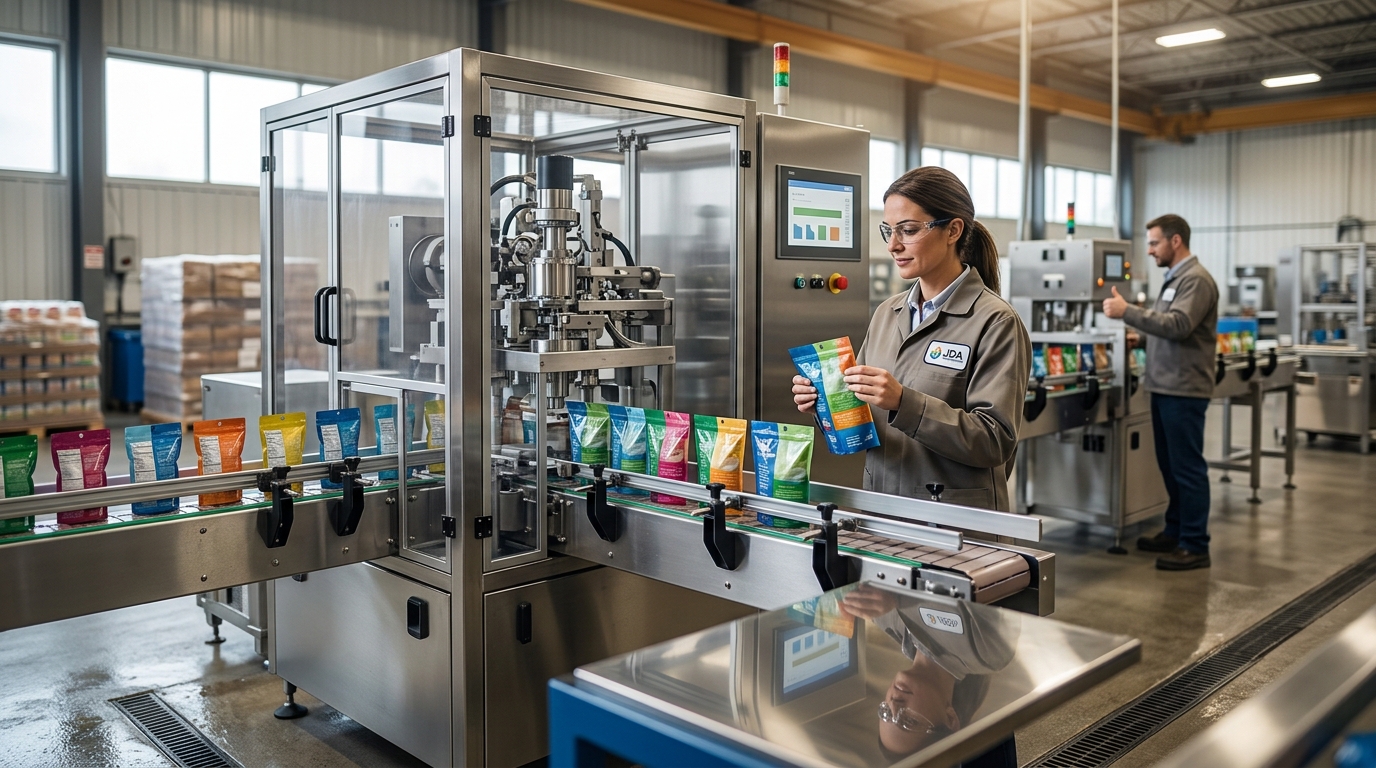
Modern packaging operations require precision and speed. According to industry data, automated filling systems now handle over 85 percent of high-volume retail packaging lines across North America. This shift eliminates manual labor bottlenecks while maintaining strict quality control standards. Manufacturers must select equipment that matches their exact throughput requirements and product viscosity. The right selection directly impacts operational margins and shelf readiness. Facilities that upgrade to automated solutions consistently report a forty percent reduction in material waste during the first year of operation.
Understanding Premade Standup Pouch Requirements
Premade standup pouches are flexible packaging containers manufactured separately from the filling process, featuring a gusseted bottom that allows them to stand upright on retail shelves. These containers require specialized handling mechanisms to prevent deformation during high-speed transport. Operators must account for pouch thickness, seal integrity, and material composition before selecting a filler. Flexible packaging continues to grow rapidly as brands prioritize lightweight materials and shelf appeal. Packaging trends indicate a steady shift toward sustainable film structures that demand gentler mechanical handling.
Automatic filling machines are industrial systems that dispense precise volumes of liquid or powder into containers without manual intervention. These units utilize piston pumps, gravity feeders, or volumetric cups to maintain consistent fill weights. The chosen mechanism must align with your product viscosity and particulate size. Equipment that handles abrasive powders requires reinforced wear plates and specialized nozzle designs. Industry reports confirm that precision filling reduces product giveaway by up to twelve percent annually.
Evaluating Filling Technology Options
Vertical form fill sealers are packaging devices that create pouches from a continuous roll of film, fill them, and seal them in a single vertical operation. While highly efficient, these systems do not accommodate pre-manufactured standup pouches. Manufacturers seeking flexibility often prefer premade pouch handling stations that integrate directly with existing filler frames. This approach allows brands to switch between pouch styles without retooling the entire line. Market analysis shows that hybrid filling stations now capture thirty percent of the flexible packaging equipment sector.
Operators should evaluate nozzle configurations, drip control mechanisms, and container indexing systems. Rotary filling heads offer higher throughput for large-scale production runs. Linear filling stations provide greater flexibility for frequent format changes. Both configurations require precise synchronization with the pouch feeding mechanism. Technical guides emphasize that proper nozzle retraction prevents cross-contamination between batches.
Matching Machine Speed to Production Volume
Throughput requirements dictate the mechanical architecture of your filling station. Small batch operations benefit from semi-automatic gravity fillers that prioritize accuracy over speed. High-volume facilities require rotary indexing systems capable of processing hundreds of pouches per minute. Production scaling must align with downstream packaging and palletizing capabilities. Operational data reveals that mismatched line speeds create bottlenecks that increase downtime by twenty percent.
Material handling components must support continuous operation without excessive wear. Conveyor systems require adjustable tracking guides to maintain pouch alignment. Unscrambling mechanisms must gently orient pouches without damaging printed graphics. Engineering standards recommend regular bearing inspections to prevent unexpected mechanical failure. Proper maintenance scheduling extends equipment lifespan by up to eight years.
Integrating Sealing and Capping Systems
Complete packaging lines require synchronized sealing and capping modules to ensure product integrity. Heat sealing jaws must match the specific film layers used in your standup pouches. Improper temperature settings compromise barrier properties and invite spoilage. Quality benchmarks indicate that consistent seal strength reduces customer complaints by nearly fifteen percent. Automated capping stations apply precise torque to screw caps or spray pumps without damaging threads.
Labeling equipment should integrate directly with the filling frame to minimize handling steps. Pressure-sensitive labelers and shrink sleeve applicators maintain brand consistency across high-speed runs. Compliance guidelines require accurate ingredient placement and regulatory text visibility. Operators must verify label adhesion under varying temperature and humidity conditions. Regulatory updates emphasize that misaligned labels trigger costly recall procedures.
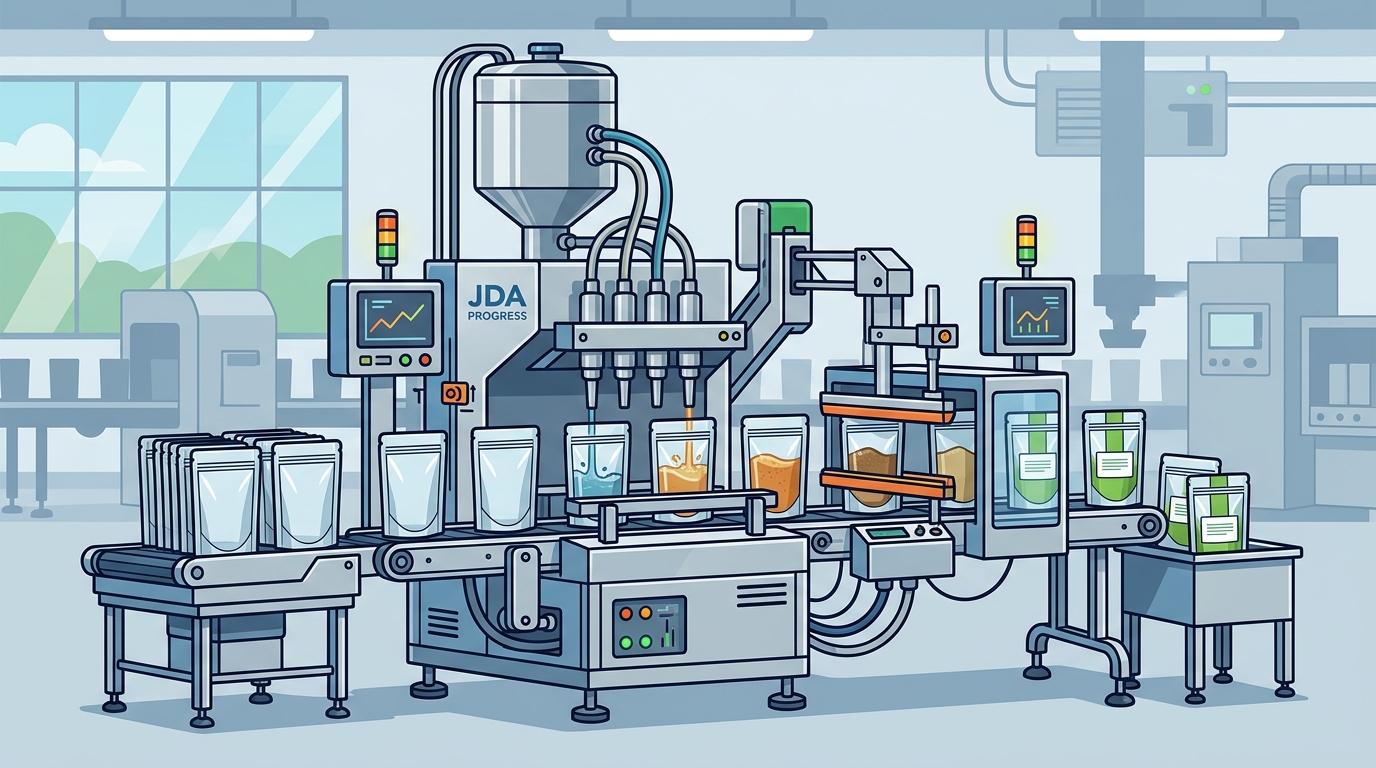
Calculating Return on Investment
Capital expenditure analysis must account for installation, training, and ongoing maintenance costs. Automated filling equipment typically pays for itself within eighteen to twenty-four months through labor reduction and material savings. Downtime calculations should include preventive maintenance scheduling and spare parts inventory. Financial models demonstrate that automated lines achieve break-even faster than manual alternatives. Energy consumption metrics also impact long-term operational budgets.
Manufacturers should request comprehensive factory acceptance testing before finalizing purchases. Performance validation ensures the equipment meets your exact throughput and accuracy targets. Procurement best practices recommend negotiating extended warranty terms and technical support packages. Proper operator training reduces error rates and extends component life. Industry benchmarks show that certified training programs decrease troubleshooting calls by thirty percent.
| Filling Configuration | Throughput Range | Best Application | Integration Path |
|---|---|---|---|
| Linear Piston Filler | 20 to 60 pouches per minute | High-viscosity liquids and pastes | Bottling Lines |
| Rotary Gravity Filler | 80 to 150 pouches per minute | Low-viscosity beverages and oils | Baggers |
| Volumetric Cup Filler | 40 to 100 pouches per minute | Powders and granular products | Blenders & Feeders |
| Semi-Automatic Gravity Filler | 10 to 30 pouches per minute | Small batch and seasonal products | Cappers |
Key Takeaways
- Premade standup pouches require specialized handling mechanisms to prevent deformation during high-speed transport.
- Automatic filling machines dispense precise volumes without manual intervention, reducing product giveaway by up to twelve percent.
- Vertical form fill sealers create pouches from continuous film, while hybrid stations accommodate pre-manufactured containers.
- Rotary filling heads process hundreds of pouches per minute, whereas linear stations prioritize format flexibility.
- Heat sealing jaws must match specific film layers to maintain barrier properties and prevent spoilage.
- Automated filling equipment typically achieves break-even within eighteen to twenty-four months through labor and material savings.
- Factory acceptance testing validates performance targets before final capital commitment.
Frequently Asked Questions
Can a single machine handle both liquids and powders?
No. Liquid filling systems utilize piston pumps or gravity feeders designed for fluid dynamics. Powder handling requires volumetric cups or auger fillers that prevent dust generation and cross-contamination. Switching between product types demands complete nozzle and hopper sanitization.
How do you prevent drips during high-speed filling?
Nozzle retraction mechanisms pull the dispensing tip away from the pouch opening immediately after cycle completion. Anti-drip valves maintain line pressure without allowing residual product to escape. Regular seal inspections prevent valve wear that causes inconsistent flow rates.
What maintenance schedule prevents unexpected downtime?
Preventive maintenance should occur every five hundred operating hours or monthly, whichever comes first. Operators must lubricate linear guides, inspect pneumatic cylinders, and verify sensor calibration. Service and Parts documentation provides exact torque specifications and replacement intervals.
Is retrofitting existing equipment cost-effective?
Retrofitting older frames with modern filling modules often costs less than purchasing complete new systems. Compatibility checks verify that existing conveyors and indexing tables support your target throughput. Demo Centre visits allow engineers to simulate your exact product flow before finalizing modifications.
How do you verify fill accuracy across different pouch sizes?
Quick-change nozzle adapters and programmable volume settings accommodate multiple container dimensions. Calibration routines run automatically when operators select new format parameters. Regular weight verification checks ensure compliance with regulatory tolerance limits.
What safety features protect operators during high-speed runs?
Light curtains and interlocked guarding panels halt machine operation when personnel enter active zones. Emergency stop buttons remain accessible at multiple stations along the line. About Us guidelines emphasize that safety compliance reduces workplace incidents by over ninety percent.
Can automated fillers integrate with existing packaging lines?
Modern filling stations communicate via standard industrial protocols to synchronize with downstream sealers and labelers. PLC programming allows operators to adjust cycle times without hardware modifications. Contact Us engineers design custom integration plans that match your facility layout.
What warranty coverage protects your capital investment?
Standard equipment warranties cover manufacturing defects and component failures for twelve to twenty-four months. Extended service agreements include priority technical support and discounted spare parts. Request a Quote packages outline comprehensive coverage options tailored to your production schedule.
Next Steps for Your Packaging Line
Selecting the optimal automatic filling machine requires precise alignment between your product characteristics and operational goals. Evaluate throughput requirements, material compatibility, and downstream integration needs before finalizing equipment purchases. Schedule a facility assessment to verify spatial constraints and utility connections. Request a Quote today to receive a customized equipment proposal tailored to your exact production targets. Our engineering team will guide you through configuration options, factory acceptance testing, and operator training protocols. Secure your production schedule by booking a consultation at https://jdaprogress.com/ and transform your packaging efficiency.