
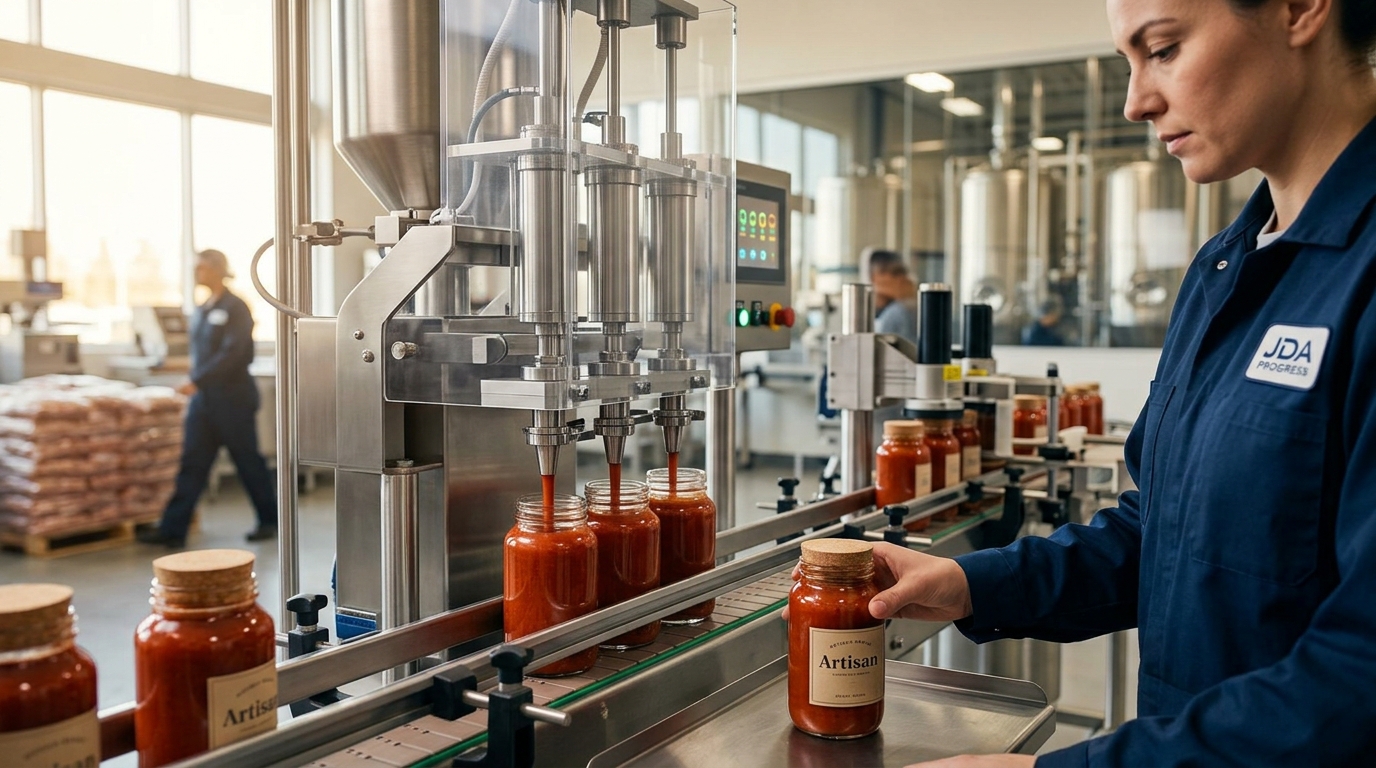
Best Fully Automatic Filling Solutions for Sauces, Condiments, and Liquids
The global market for automated packaging machinery is undergoing a significant transformation driven by the need for speed, hygiene, and precision. According to recent industry analysis, the automated packaging equipment market is projected to grow at a compound annual growth rate of over 6% through 2030. This growth is largely fueled by the food and beverage sector's demand for high-speed, reliable filling systems. For manufacturers of sauces, condiments, and liquid products, choosing the right filling technology is not just an operational upgrade; it is a strategic imperative for maintaining competitiveness and ensuring product consistency.
Understanding Filling Technologies
Before diving into specific machine models, it is essential to define the core technology. A filler is a machine that dispenses a specific amount of product into a container. In the context of sauces and condiments, the viscosity of the product plays a critical role in determining the appropriate filling mechanism. Unlike water-like liquids, sauces often contain particulates or exhibit non-Newtonian flow properties, requiring specialized engineering to prevent clogging and ensure accurate dosing.
JDA Progress has spent over 35 years refining these technologies. Their expertise lies in designing equipment that handles everything from thin oils to thick, chunky relishes. The company operates out of a 15,000 square foot facility in Vaughan, Ontario, which includes a permanent showroom for public demonstrations. This physical presence allows potential clients to witness the machinery in action, providing tangible proof of performance before any financial commitment is made.
When evaluating solutions, you must consider the entire production line. A standalone filler is rarely sufficient. It must integrate seamlessly with labelers, cappers, and conveyors to create a cohesive bottling line. This integration reduces manual handling, minimizes the risk of contamination, and significantly boosts overall throughput.
Key Features of Automatic Fillers
Modern automatic fillers are equipped with advanced features that go beyond simple volume dispensing. The best machines offer precision control, rapid changeover capabilities, and robust sanitation protocols. Precision is non-negotiable in the food industry. Overfilling leads to product loss and reduced profit margins, while underfilling can result in regulatory fines and customer dissatisfaction.
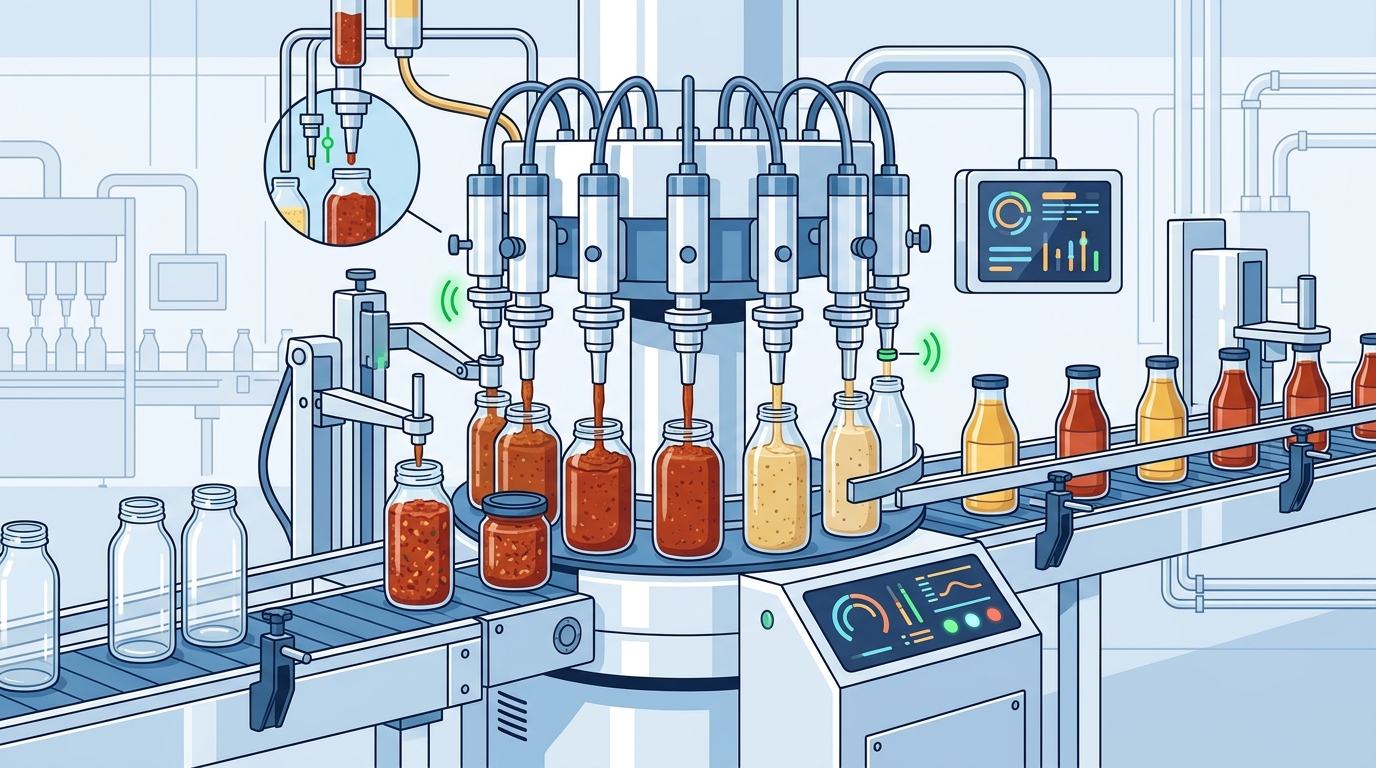
One of the most critical features for sauce manufacturers is the ability to handle particulates. Traditional piston fillers may struggle with chunky salsa or pepperoni sauce. In contrast, progressive cavity pumps or specialized piston designs can handle these viscous, particulate-laden products without damaging the texture. JDA Progress offers a range of fillers designed specifically for these challenging applications.
Another vital feature is ease of cleaning. In the food and beverage industry, downtime for cleaning can be as costly as production downtime. Machines with sanitary designs, such as those with smooth surfaces and minimal crevices, reduce cleaning time and improve hygiene. This is particularly important for companies producing dairy-based sauces or acidic condiments that can corrode standard materials.
Comparing Filler Types
Selecting the right filler depends on your specific product characteristics and production volume. Below is a comparison of the most common types of filling machines used for sauces and liquids.
| Filler Type | Best For | Viscosity Range | Accuracy |
|---|---|---|---|
| Piston Filler | Thick sauces, creams, pastes | High to Very High | Very High |
| Gravity Filler | Thin liquids, oils, vinegar | Low | High |
| Pressure Filler | Foaming liquids, carbonated items | Low to Medium | High |
| Time-Pressure Filler | Medium viscosity, high speed | Medium to High | Medium to High |
For many sauce and condiment manufacturers, the piston filler is the go-to solution. It offers exceptional accuracy and can handle a wide range of viscosities. However, for products with large particulates, a specialized piston or a progressive cavity pump may be required. JDA Progress provides bottling lines that can be customized to include the optimal filler type for your specific needs.
Hygiene and Compliance Standards
Food safety is a paramount concern in the packaging industry. Regulatory bodies such as the FDA and CFIA enforce strict guidelines for equipment design and operation. Machines must be constructed from materials that are resistant to corrosion and easy to sanitize. Stainless steel is the standard material for food contact surfaces due to its durability and hygienic properties.
Furthermore, the design of the filler should minimize the risk of cross-contamination. This includes features such as closed-loop systems, which prevent product from coming into contact with mechanical components. Regular maintenance and calibration are also essential to ensure ongoing compliance. JDA Progress offers comprehensive service and parts support to help you maintain your equipment to the highest standards.
Investing in a machine that meets or exceeds these standards not only ensures compliance but also enhances your brand reputation. Consumers are increasingly aware of food safety issues, and demonstrating a commitment to hygiene can be a powerful marketing tool. By choosing a reputable manufacturer like JDA Progress, you are investing in a solution that prioritizes safety and quality.
ROI and Efficiency Metrics
The return on investment (ROI) for an automatic filling system is calculated by comparing the cost of the machine against the savings in labor, reduced waste, and increased production speed. While the initial investment can be significant, the long-term benefits often outweigh the costs. Automated systems can operate continuously, reducing the need for shift workers and minimizing human error.
Efficiency is also measured by the machine's ability to handle rapid changeovers. In an era of diverse product lines and frequent SKU updates, the ability to switch from one product to another quickly is invaluable. Machines with quick-change parts and intuitive controls can reduce changeover time from hours to minutes. This flexibility allows manufacturers to respond more quickly to market demands and reduce inventory holding costs.
Additionally, accurate filling reduces product giveaway. Even a small percentage of overfilling can result in significant financial losses over time. By investing in high-precision fillers, you can ensure that every bottle contains the exact amount of product, maximizing your profit margins. JDA Progress helps customers calculate these metrics to demonstrate the tangible value of their equipment.
Key Takeaways
- JDA Progress has been in business since 1988, providing over 35 years of industry expertise.
- Their facility in Vaughan, Ontario, includes a 15,000 square foot showroom for live demonstrations.
- Piston fillers are ideal for thick sauces and condiments with particulates.
- Gravity fillers are best suited for thin liquids like oils and vinegars.
- Integration with labelers and cappers is crucial for a complete bottling line.
- Sanitary design and easy cleaning are essential for food safety compliance.
- High-precision filling reduces product giveaway and improves ROI.
Frequently Asked Questions
What is the difference between a piston filler and a gravity filler?
A piston filler uses a piston to push product into a container, making it suitable for viscous products like sauces and pastes. A gravity filler relies on the weight of the product to fill the container, making it ideal for thin liquids like water or oil.
Can JDA Progress handle chunky sauces?
Yes, JDA Progress offers specialized fillers designed to handle products with particulates. Their engineers can customize the filling mechanism to ensure smooth operation without damaging the product texture.
How long does it take to change over a filling machine?
Changeover time depends on the specific machine and product. However, modern automatic fillers are designed for quick changeovers, often taking just minutes to switch between different bottle sizes or products.
Is the equipment made from stainless steel?
Yes, food contact surfaces are typically made from stainless steel to ensure durability, corrosion resistance, and ease of cleaning. This meets industry standards for food safety.
Does JDA Progress offer training?
Yes, JDA Progress provides comprehensive training for their equipment. This includes on-site training and factory acceptance tests to ensure your team is proficient in operating and maintaining the machinery.
What is the warranty period for their machines?
Warranty terms can vary based on the specific equipment and agreement. It is best to contact their sales team for detailed warranty information and service options.
Can I visit their showroom?
Absolutely. JDA Progress has a permanent showroom in Vaughan, Ontario, that is open to the public. You can schedule a visit to see their machines in action and discuss your specific needs.
Contact Us
Ready to upgrade your production line? Contact JDA Progress today to schedule a consultation or visit their Demo Centre to see their equipment in action. Their team of experts is ready to help you find the perfect filling solution for your business. You can also request a quote directly through their website or call them at 905-850-6434.