
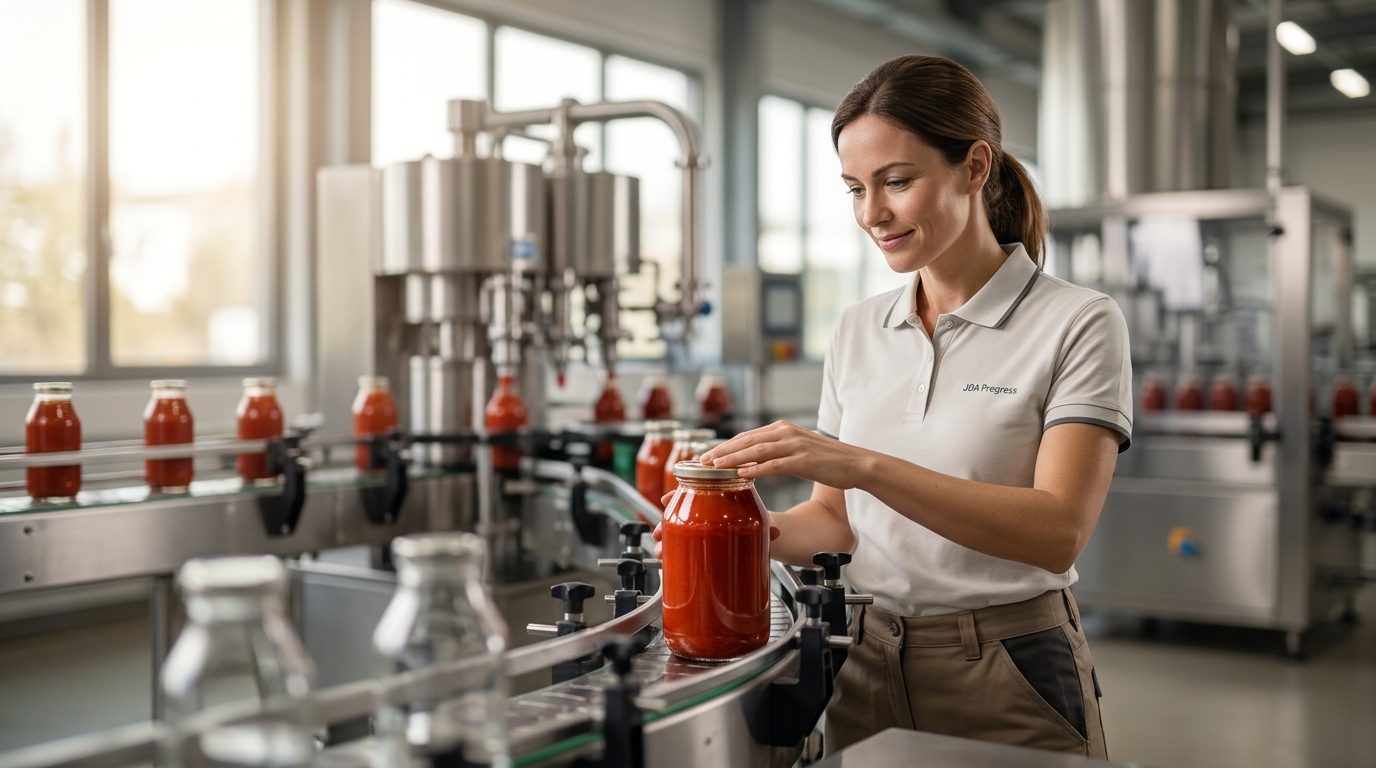
Best Fully Automatic Filling Solutions for Sauces, Condiments, and Liquids
The global market for automated packaging machinery is expanding rapidly as manufacturers seek to eliminate bottlenecks in high-viscosity production lines. According to recent industry analysis, the automated packaging equipment market is projected to grow at a significant compound annual growth rate through 2030, driven by the demand for precision in food and beverage applications. For businesses producing sauces, condiments, and liquid goods, selecting the right filling technology is not just about speed. It is about maintaining product integrity, ensuring sanitary compliance, and maximizing return on investment over decades of operation.
Understanding Viscosity and Filling Technology
Before investing in capital equipment, you must define the rheological properties of your product. Viscosity is the measure of a fluid's resistance to flow. In the context of packaging, viscosity is the primary determinant of the filling mechanism required. A machine designed for water-like liquids will fail completely when attempting to dispense ketchup or heavy cream. Conversely, a piston filler designed for thick pastes will struggle with low-viscosity oils, leading to dripping and inaccurate dosing.
JDA Progress specializes in tailoring solutions to these specific physical constraints. Their engineering team evaluates whether your product requires a volumetric, gravimetric, or time-pressure filling approach. This initial assessment ensures that the machinery you select can handle the unique flow characteristics of your sauces and condiments without compromising hygiene or speed.
Piston Fillers: The Gold Standard for Thick Sauces
For high-viscosity products such as tomato paste, mustard, peanut butter, and heavy creams, the piston filler is the industry standard. This technology operates on a principle similar to a medical syringe. A rotating cam drives a piston within a cylinder to draw product in and push it out with precise volume control.
Piston fillers offer unmatched accuracy for non-free-flowing goods. They are capable of handling products with particulates, such as chunky salsas or fruit purees, without clogging. The Model PF-14 inline piston bottle filler, for example, is engineered for high-speed operations where consistency is critical. These machines are particularly valuable in the food and beverage sector, where regulatory standards for fill weight are strict.
When selecting a piston filler, consider the material of the wetted parts. Stainless steel construction is mandatory for sanitary compliance in food processing. JDA Progress ensures that their fillers are built to withstand the corrosive nature of acidic sauces while maintaining a smooth surface finish that prevents bacterial growth.
Gravity Fillers for Low-Viscosity Liquids
When your product is thin and free-flowing, such as vinegar, cooking oil, or clear sauces, gravity fillers provide the most efficient solution. These machines rely on the force of gravity to move product from a holding tank into the container. The filling process is controlled by a valve that opens and closes at a specific level.
Gravity fillers are ideal for high-speed production lines because they minimize foaming and aeration. This is crucial for products like salad dressings or clear beverages where appearance matters. The simplicity of the design also means lower maintenance costs and easier cleaning protocols. For businesses looking to scale their liquid production, gravity fillers offer a cost-effective entry point into automation.
However, gravity fillers are not suitable for viscous products. If you attempt to use this technology for thick sauces, the product will not flow freely, leading to incomplete fills and significant waste. Always match the filler type to the fluid dynamics of your specific product line.
Peristaltic and Pump Fillers for Precision
For products that require extreme precision or are sensitive to shear stress, peristaltic pump fillers are an excellent alternative. These machines use a rotating rotor to compress a flexible tube, pushing the product through without any mechanical contact with the pump mechanism itself. This design is inherently sanitary because the product only touches the disposable or cleanable tube.
Peristaltic fillers are particularly useful for high-value liquids or products with delicate textures. They can handle both low and medium viscosity fluids with high accuracy. The ability to reverse the flow also helps in preventing dripping, a common issue in sauce and condiment packaging. This technology is often used in the nutraceutical and chemical industries, but it is increasingly popular in gourmet food production.
JDA Progress offers a range of filling technologies, including advanced pump systems, to meet diverse customer needs. Their expertise lies in matching the right pump mechanism to the product's specific requirements, ensuring that you get the best performance for your budget.
Integrating Filling with Capping and Labeling
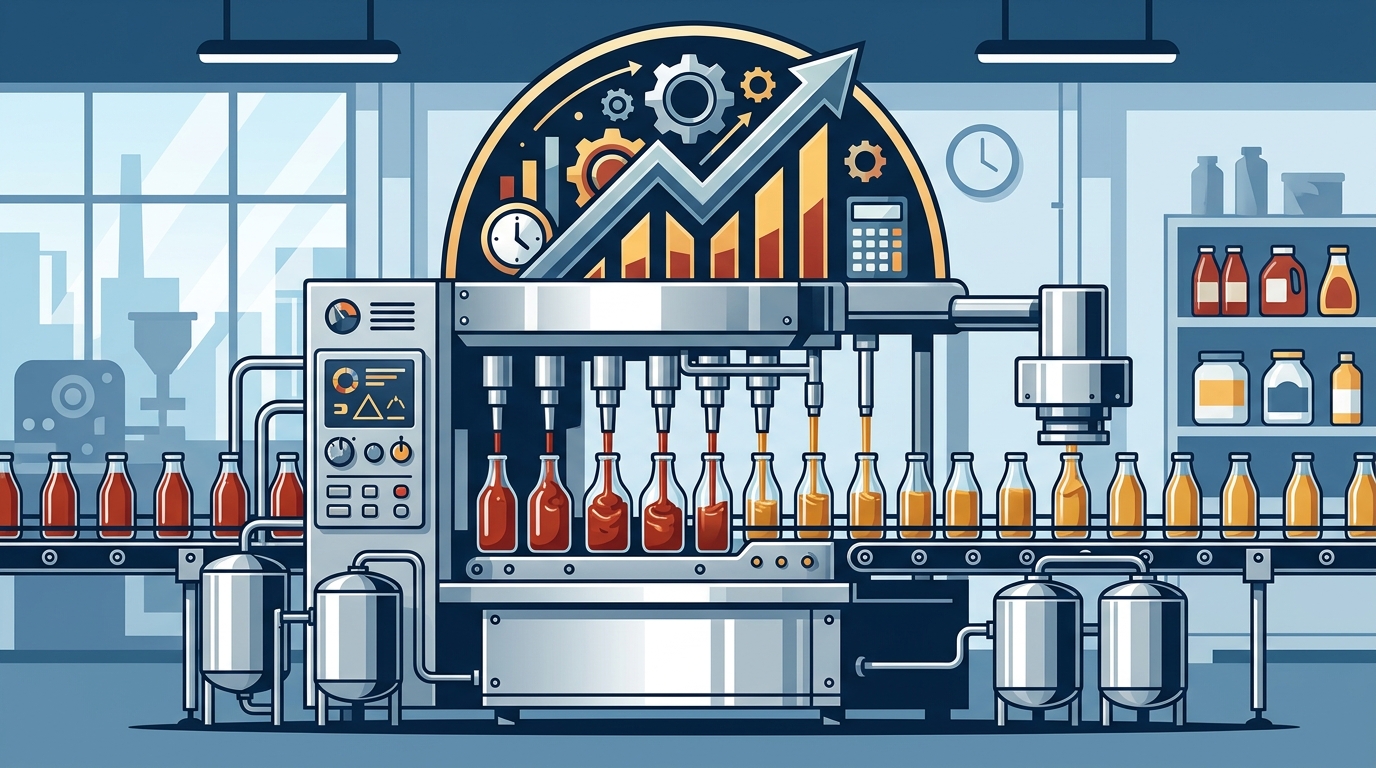
A fully automatic filling solution is rarely a standalone machine. It is part of a larger bottling line that includes capping, labeling, and conveyance systems. The efficiency of your entire operation depends on how well these components communicate and synchronize. A mismatch in speed or timing can cause jams, product damage, and downtime.
JDA Progress provides comprehensive bottling line solutions that integrate fillers with cappers and labelers. Their Model ProCap-2 automatic inline quill capping machine, for example, is designed to work seamlessly with their filling equipment. This integration ensures that your line runs smoothly from the first bottle to the last. The company also offers unscramblers to orient empty containers and conveyors to move them through the process.
By choosing a single supplier for your entire line, you simplify maintenance, training, and troubleshooting. JDA Progress has been serving the industry for over 35 years, and their long-term support is a key differentiator. Their team provides factory acceptance tests and ongoing service to ensure your line operates at peak efficiency.
Comparing Filling Machine Options
Choosing the right filler requires a clear understanding of your production goals. The table below summarizes the key characteristics of the primary filling technologies available for sauces and liquids.
| Filling Technology | Best For | Viscosity Range | Key Benefit |
|---|---|---|---|
| Piston Filler | Thick sauces, pastes, chunky products | High | High accuracy for non-free-flowing goods |
| Gravity Filler | Water-like liquids, oils, vinegars | Low | High speed, minimal foaming |
| Peristaltic Pump Filler | High-value liquids, shear-sensitive products | Low to Medium | Hygienic, no product contact with pump |
| Volumetric Pump Filler | Medium viscosity, consistent flow | Medium | Cost-effective, reliable |
When evaluating these options, consider your current production volume and future growth plans. JDA Progress offers in-stock equipment for fast delivery, which can help you meet urgent production demands. Their showroom in Vaughan allows you to test your specific products on their machines before making a purchase.
Key Takeaways
- Viscosity Dictates Technology: High-viscosity sauces require piston fillers, while low-viscosity liquids are best handled by gravity or pump fillers.
- Integration is Critical: A fully automatic solution requires synchronized capping, labeling, and conveying systems for maximum efficiency.
- Sanitary Design Matters: Stainless steel construction and easy-clean features are essential for food safety and regulatory compliance.
- Long-Term Support: JDA Progress has over 35 years of experience and provides comprehensive service and parts support.
- Testing Before Buying: Utilize the demo center to test your specific products on their machinery to ensure compatibility.
- In-Stock Availability: Many machines and spare parts are kept in stock for rapid deployment.
- ROI Focus: Investing in high-quality equipment reduces labor costs and waste, boosting long-term profitability.
Frequently Asked Questions
What is the difference between a piston filler and a gravity filler?
A piston filler uses a mechanical piston to push product into containers, making it ideal for thick, viscous sauces. A gravity filler relies on the natural flow of liquid from a tank, making it suitable for thin, free-flowing liquids like water or oil.
Can JDA Progress handle chunky products like salsa?
Yes, piston fillers are specifically designed to handle products with particulates. They can manage chunky salsas and fruit purees without clogging, provided the particle size is within the machine's specifications.
How long does it take to receive a filling machine?
JDA Progress maintains a large inventory of in-stock packaging equipment and spare parts. This allows for fast delivery and installation, often within weeks rather than months, depending on the specific model and configuration.
What industries does JDA Progress serve?
JDA Progress serves a wide range of industries including food and beverage, cosmetics, chemicals, and nutraceuticals. Their equipment is tailored to meet the specific hygiene and performance standards of each sector.
Is there a warranty on the filling machines?
Yes, JDA Progress provides a 1-year warranty on all machines and parts. They also offer excellent after-sales support to ensure your equipment continues to perform optimally.
Can I test my product before buying?
Absolutely. JDA Progress has a permanent showroom in Vaughan where you can bring your products for demonstration. Their engineers will show you how the machinery handles your specific viscosity and texture.
What is the typical lifespan of a JDA Progress filling machine?
With proper maintenance, JDA Progress filling machines are built to last for decades. Many customers have equipment that has been in continuous operation for over 14 years, highlighting the durability and quality of their engineering.
Contact JDA Progress
Ready to optimize your production line? JDA Progress offers expert guidance to help you choose the best fully automatic filling solution for your specific needs. Visit their Demo Centre to see their equipment in action or Contact Us to request a quote. Their team is ready to help you maximize efficiency and boost your ROI.