
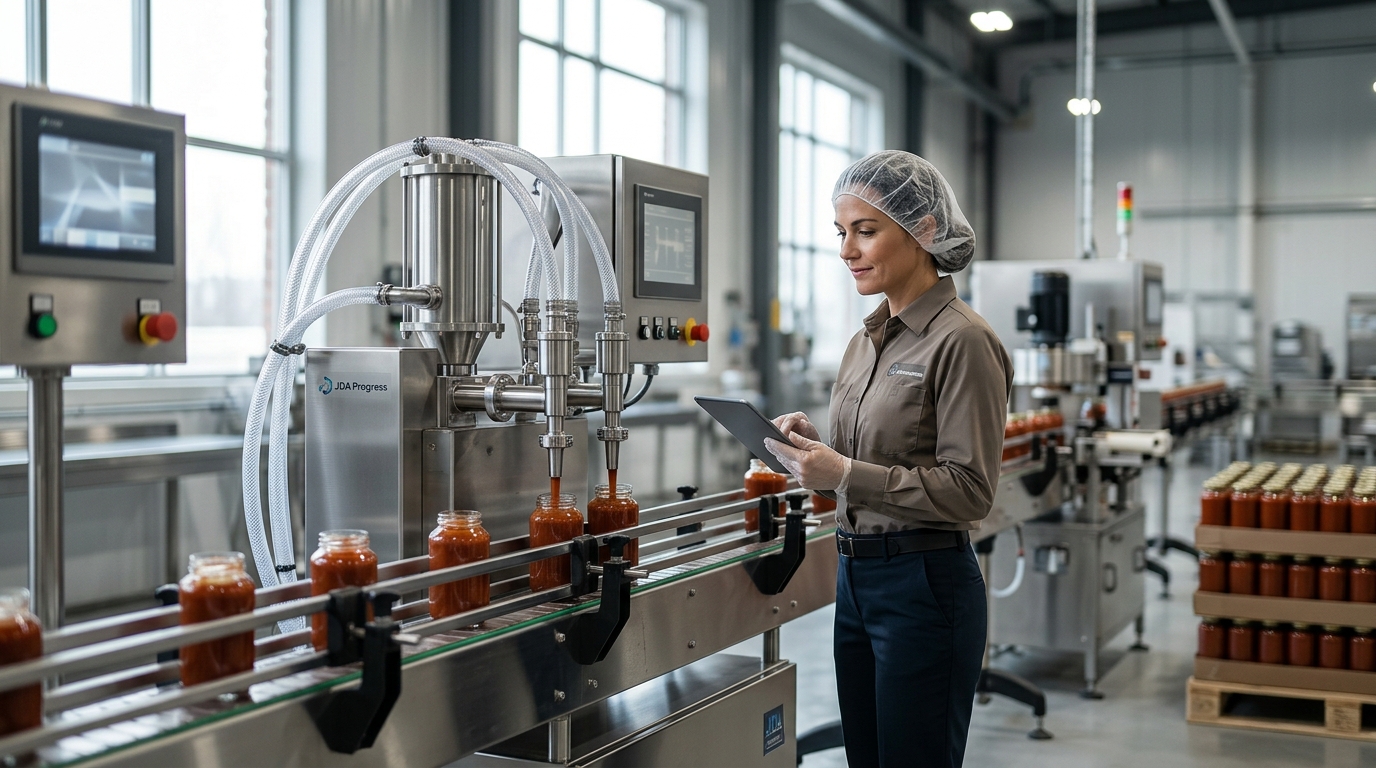
Best Fully Automatic Filling Solutions for Sauces, Condiments, and Liquids
The global market for automated packaging machinery is expanding rapidly as food and beverage manufacturers seek to eliminate bottlenecks in their production lines. According to recent industry analyses, the adoption of automated filling systems has increased by over 15% annually among mid-sized producers aiming to scale output without proportional labor costs. This shift is driven by the need for precision, hygiene, and speed in handling viscous and low-viscosity fluids alike. For businesses producing sauces, condiments, and liquid goods, selecting the right filling technology is not just an operational upgrade; it is a strategic imperative for maintaining competitive pricing and product consistency. (Trusted Packaging Equipment Manufacturer)
Understanding Filling Technologies
Before diving into specific machine models, it is essential to define the core technologies available in the market. Piston fillers are positive displacement pumps that draw a precise volume of product into a cylinder and push it into the container. This method is the industry standard for thick sauces, dressings, and pastes. Gravity fillers, on the other hand, rely on the weight of the liquid to fill the container up to a predetermined level. These are ideal for low-viscosity liquids like water, juices, and thin oils. Pressure fillers use air pressure to push product into the container, offering speed and accuracy for carbonated or foamy liquids.
Choosing the wrong technology can lead to significant operational headaches. For instance, using a gravity filler for a thick barbecue sauce will result in incomplete fills and messy drips. Conversely, using a piston filler for a thin vinegar might cause dripping due to the high pressure required to move the fluid. JDA Progress specializes in matching these technologies to your specific product characteristics to ensure seamless integration into your existing bottling line.
Piston vs. Gravity Fillers
The debate between piston and gravity filling often centers on the physical properties of your product. Piston fillers offer unmatched accuracy for viscous products. They can handle everything from ketchup to heavy cream with minimal waste. The mechanism involves a rotating cam that drives the piston, allowing for quick adjustments to fill volume by simply changing the cam profile or adjusting the stroke length.
Gravity fillers excel in speed and simplicity. Because they do not rely on complex mechanical displacement of the product itself, they are less prone to wear and tear when handling abrasive or particulate-heavy liquids. However, they require the product to flow freely. If your sauce contains large chunks of vegetables or herbs, a piston filler with a large bore tube is often the safer bet to prevent clogging.
At JDA Progress, we offer a range of fillers designed to handle both ends of this spectrum. Our engineers can help you determine whether a volumetric piston system or a gravity-fed system will provide the best return on investment for your specific production volume.
Why Viscosity Dictates Machine Choice
Viscosity is the measure of a fluid's resistance to flow. In the context of packaging, it is the single most important factor in selecting your filling equipment. Viscosity is the measure of a fluid's resistance to flow.
Low-viscosity liquids, such as soy sauce or hot sauce, flow easily and can be filled quickly using gravity or pressure methods. These machines can achieve high speeds, often filling hundreds of bottles per minute. However, they require precise control to prevent foaming, which can lead to inaccurate fill levels and product waste.
High-viscosity products, such as mustard, mayonnaise, or thick chili sauce, require more force to move. Piston fillers are the go-to solution here. They can handle products with varying viscosities by adjusting the pump speed and pressure. Some advanced piston fillers even feature heated tubes to maintain product flow during colder production runs.
Understanding your product's viscosity profile is crucial. If your product's viscosity changes with temperature, you may need a filling system with temperature control capabilities. JDA Progress provides consultation services to help you analyze your product's rheological properties and select the appropriate machinery.
Hygiene and Regulatory Compliance
In the food and beverage industry, hygiene is non-negotiable. Your filling equipment must meet strict sanitary standards to prevent contamination and ensure product safety. Sanitary design refers to equipment features that facilitate easy cleaning and prevent bacterial growth, such as smooth surfaces, minimal crevices, and food-grade materials.
Look for fillers constructed from stainless steel, typically 304 or 316 grade, which are resistant to corrosion and easy to sanitize. The machine should also be designed for Clean-in-Place (CIP) systems, allowing you to clean the internal components without disassembling the entire unit. This reduces downtime and labor costs significantly.
Additionally, consider the regulatory environment in your region. In North America, compliance with FDA and USDA standards is mandatory for food contact surfaces. JDA Progress ensures that all our packaging equipment meets these rigorous standards, giving you peace of mind and reducing the risk of regulatory fines.
ROI and Production Efficiency
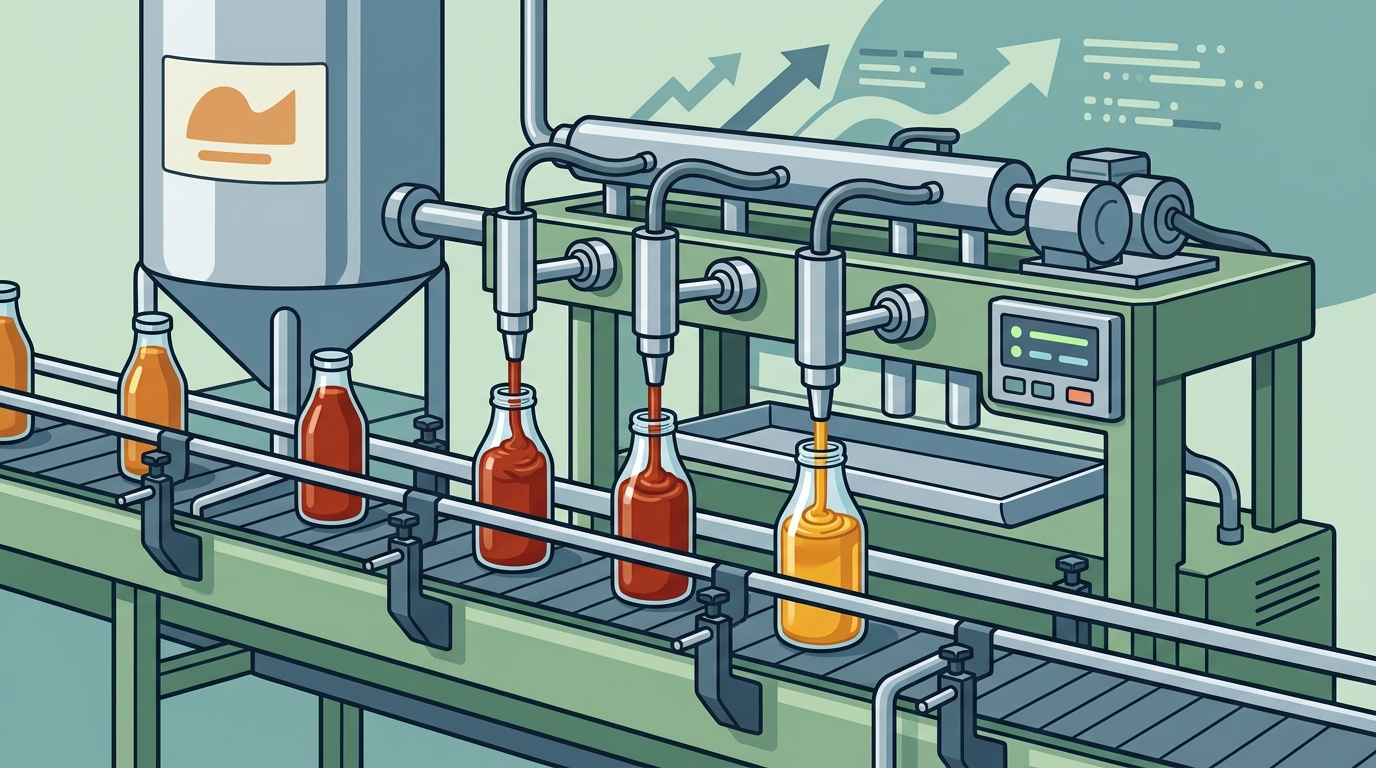
Investing in a fully automatic filling solution is a significant capital expenditure. However, the return on investment (ROI) can be realized quickly through increased efficiency and reduced labor costs. Automated fillers can operate continuously, 24/7 if needed, with minimal supervision. This consistency leads to higher output and lower cost per unit.
Furthermore, automation reduces product waste. Manual filling is prone to human error, leading to overfills or underfills. Overfills cost you money in product loss, while underfills can lead to customer complaints and regulatory issues. Automated systems ensure every bottle is filled to the exact specification, protecting your margin.
JDA Progress offers competitive pricing and excellent after-sales support to help you maximize your ROI. Our machines are built for durability and ease of maintenance, ensuring long-term reliability and minimal downtime.
Key Takeaways
- Piston Fillers: Best for viscous products like sauces and pastes, offering high accuracy and minimal waste.
- Gravity Fillers: Ideal for low-viscosity liquids, providing high speed and simple operation.
- Viscosity Analysis: Always test your product's flow characteristics before selecting a machine to avoid clogging or dripping.
- Hygiene Standards: Choose stainless steel, CIP-compatible equipment to meet FDA and USDA regulations.
- ROI Benefits: Automation reduces labor costs, increases output, and minimizes product waste.
- Expert Support: JDA Progress provides tailored consultations and in-stock parts for fast delivery.
- Demo Availability: Visit our Vaughan showroom to see machines in action with your own products.
Frequently Asked Questions
What is the difference between a piston filler and a gravity filler?
A piston filler uses a mechanical piston to push a precise volume of product into the container, making it ideal for thick sauces. A gravity filler relies on the weight of the liquid to fill the container, making it suitable for thin, low-viscosity liquids.
Can JDA Progress handle custom filling requirements?
Yes, JDA Progress offers custom engineering solutions to meet specific production needs, including unique bottle shapes, fill volumes, and product characteristics.
How long does it take to install a fully automatic filling line?
Installation time varies based on the complexity of the line, but JDA Progress provides comprehensive installation and training services to ensure a smooth transition. Most standard installations can be completed within a few weeks.
Do you offer spare parts for your filling machines?
Yes, we maintain a large inventory of in-stock spare parts to ensure minimal downtime for our customers. Our service and parts team is always available to assist with maintenance needs.
What industries do you serve with your filling solutions?
We serve a wide range of industries including food and beverage, cosmetics, chemicals, and nutraceuticals, providing tailored solutions for each sector.
Is it possible to demo a machine before purchasing?
Absolutely. We invite you to visit our demo centre in Vaughan, Ontario, where you can test your product on our equipment and see the results firsthand.
What warranty do you provide on your filling machines?
JDA Progress provides a standard warranty on all machines and parts, ensuring quality and reliability. We also offer extended service agreements for ongoing support.
Get Your Custom Quote
Ready to upgrade your production line with the best fully automatic filling solution? Contact JDA Progress today to schedule a consultation or request a demo. Our team of experts is ready to help you find the perfect machine for your sauces, condiments, and liquids. Visit our contact page to get started.