Where to Start When Looking for a Filling Machine for Your Product
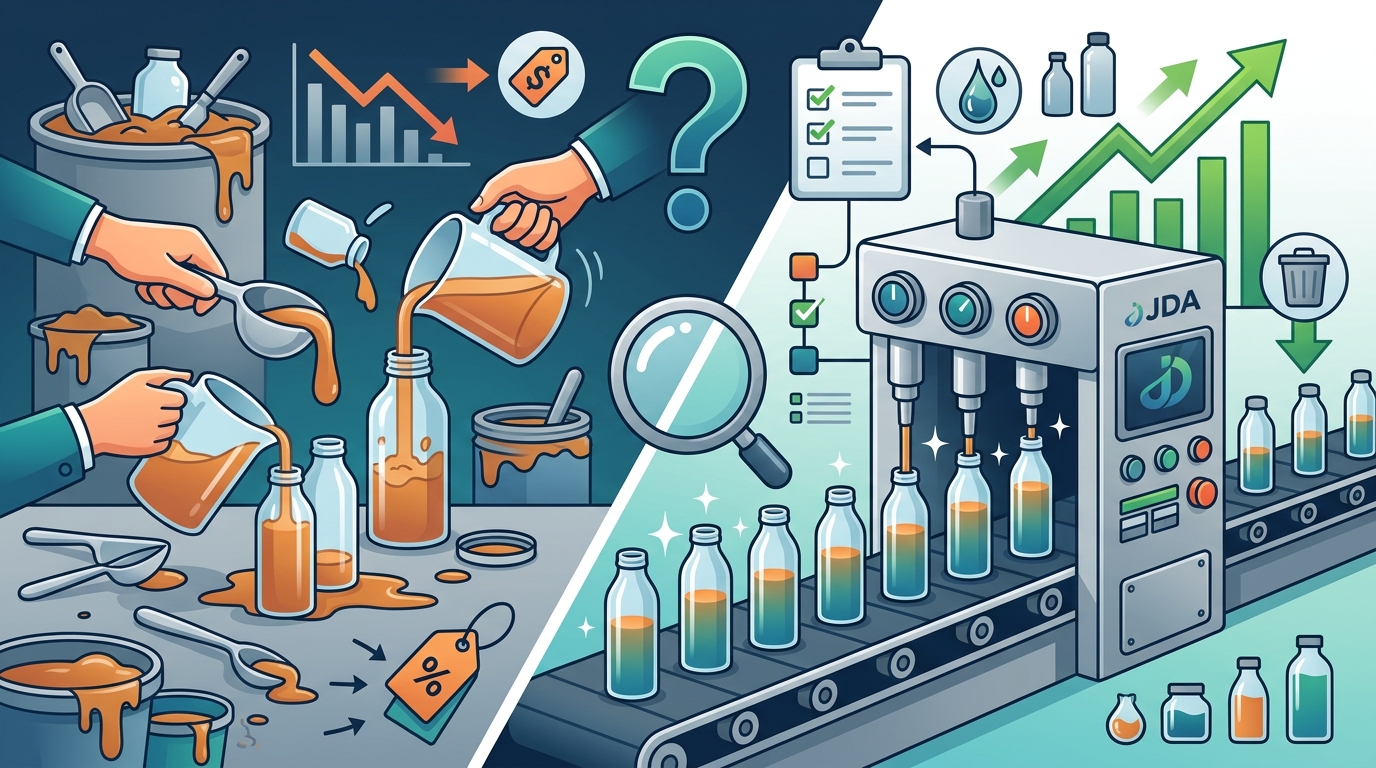
Choosing the right filling machine is the single most critical decision in scaling your production line. According to recent industry analysis, automated filling systems can increase throughput by up to 400% compared to manual operations while reducing product waste by 15%. This statistic highlights why selecting the correct equipment is not just an operational upgrade but a fundamental financial lever for growth. Many business owners make the mistake of focusing solely on price, only to discover later that the machine cannot handle their specific product viscosity or container shape. This guide provides a structured approach to navigating this complex landscape, ensuring you select a solution that maximizes efficiency and minimizes cost. (About JDA Progress Packaging)
Understand Your Product Characteristics
The first step in your search is a rigorous audit of the product you intend to package. Filling machines are not one-size-fits-all solutions. The physical properties of your product dictate the mechanical requirements of the filler. A machine designed for thin liquids will fail completely when attempting to handle thick pastes. Conversely, a piston filler designed for viscous products may struggle with low-viscosity fluids due to dripping or inaccurate dosing. (Trusted Packaging Equipment Manufacturer)
Key factors to analyze include viscosity, abrasiveness, and foaming potential. Viscosity is the measure of a fluid's resistance to flow. Viscosity is the measure of a fluid's resistance to flow. Products like water or solvents are low viscosity, while honey, lotions, and heavy creams are high viscosity. Abrasive products, such as those containing seeds or granular solids, require specialized wear-resistant components to prevent rapid degradation of seals and pistons. Foaming products require gentle filling mechanisms to prevent air entrapment, which can lead to inaccurate fill levels and container overflow. (VFFS Machines Automated Pouch)
At JDA Progress, we categorize our fillers into specific types to match these characteristics. Our liquid fillers are engineered for free-flowing products, while our powder and weigh fillers are designed for dry, granular, or powdered substances. Understanding your product's behavior is the foundation of your search.
Select the Right Filling Technology
Once you understand your product, you must choose the appropriate filling technology. The three most common technologies for industrial applications are piston filling, volumetric cup filling, and flow meter filling. Each has distinct advantages and limitations.
Piston Filling Machines
Piston fillers are the industry standard for viscous products. They operate similarly to a hypodermic needle, drawing product into a cylinder and pushing it out into the container. This technology is ideal for products like sauces, adhesives, and thick creams. The accuracy of piston fillers is generally high, and they can handle a wide range of viscosities. However, they require regular maintenance of seals and pistons, especially when processing abrasive materials.
Volumetric Cup Fillers
Volumetric cup fillers use a rotating cup to measure a specific volume of product. This method is highly accurate for low to medium viscosity liquids. They are fast, reliable, and easier to clean than piston fillers. This technology is commonly used in the food and beverage industry for products like juices, oils, and thin sauces. If your product is consistent and free-flowing, a volumetric cup filler may offer the best balance of speed and accuracy.
Flow Meter Fillers
Flow meter fillers use a high-speed pump and a flow meter to measure product volume. This technology is extremely fast and is often used for high-speed production lines. It is best suited for low viscosity liquids that do not foam easily. Flow meter fillers are less expensive than piston fillers but require precise calibration to maintain accuracy. They are also less flexible when it comes to changing fill volumes, as adjustments may require mechanical changes to the pump settings.
For powders and granules, the technology shifts entirely. Powder filling is the process of accurately dispensing dry goods into containers. JDA Progress offers specialized powder fillers that use auger screws or weigh scales to ensure precision. Auger fillers are ideal for free-flowing powders, while weigh fillers are necessary for products that require high accuracy or are prone to bridging.
Evaluate Container Types and Materials
Your filling machine must be compatible with the containers you plan to use. The shape, size, and material of the container impact the filling head design and the capping mechanism. Glass bottles require different handling than plastic jugs or metal cans. Glass is fragile and requires gentle handling to prevent breakage, while plastic containers may deform under pressure if not supported correctly.
Consider the neck finish of your containers. The filling nozzle must match the container opening to ensure a tight seal and prevent splashing. If you plan to use multiple container types, look for a machine with quick-change parts or adjustable guides. This flexibility allows you to switch production runs without significant downtime.
JDA Progress offers a range of labelers and cappers that integrate seamlessly with our filling machines. Our labelers are designed for plastic, glass, and metal containers, ensuring your product looks professional on the shelf. Our cappers provide a variety of bottle capping machines to secure your product after filling. Integrating these components into a single line ensures consistency and reduces the risk of compatibility issues.
Assess Production Speed and Scalability
Determine your current production requirements and your growth trajectory. Speed is measured in containers per minute (CPM). A machine that meets your current needs may become a bottleneck as your business grows. It is often wise to invest in a machine with a higher capacity than you currently require, provided the cost is justified by your projected growth.
Scalability also involves the ease of expanding your line. Can you add more filling heads? Can you integrate a conveyor system? JDA Progress designs our equipment to be modular and scalable. Our bottling lines can be customized to include unscramblers, fillers, labelers, cappers, and sealers in a single, cohesive system. This integration ensures that each component works in harmony, maximizing efficiency and minimizing cost.
Consider the footprint of the machine. Industrial facilities have limited space. Ensure that the machine fits within your available floor space and allows for adequate maintenance access. A machine that is too large may disrupt your workflow, while one that is too small may limit your future growth.
Prioritize Support and Service
The purchase of a filling machine is just the beginning. Long-term success depends on reliable support and service. Machines require regular maintenance, and unexpected breakdowns can halt production and result in significant revenue loss. Choose a manufacturer that offers comprehensive after-sales support.
Key support factors include warranty coverage, availability of spare parts, and technical assistance. JDA Progress offers a 1-year warranty on all machines and parts. We also maintain an extensive inventory of in-stock packaging equipment and parts for fast delivery. This commitment to support ensures that your production line remains operational with minimal downtime.
Additionally, consider the manufacturer's reputation and experience. A company with decades of experience is more likely to provide reliable equipment and knowledgeable support. JDA Progress has been in business for over 35 years, serving customers in North America and around the world. Our team of packaging experts is available to help you find the perfect solution for your business.
Compare Vendors and Request Demos
Finally, compare vendors and request demonstrations. Seeing a machine in action is the best way to evaluate its performance. A demo allows you to test your product with the machine and assess its ease of use, accuracy, and speed. It also provides an opportunity to ask questions and build a relationship with the manufacturer.
JDA Progress invites you to visit our test and demo centre in Vaughan, Ontario. Our showroom features dozens of packaging machines on display. You can talk to our engineers to find out how each one works and request a demo. This hands-on experience will give you confidence in your decision and ensure that the machine meets your specific needs.
When comparing vendors, look for transparency in pricing and specifications. Avoid vendors who are vague about costs or capabilities. A reputable manufacturer will provide detailed quotes and clear explanations of their technology. They will also be willing to provide references from satisfied customers.
Key Takeaways
- Product Analysis is Critical: Viscosity, abrasiveness, and foaming potential dictate the type of filler required.
- Technology Matching: Piston fillers are best for viscous products, while volumetric cup fillers suit low-viscosity liquids.
- Container Compatibility: Ensure the filling head and capping mechanism match your container type and material.
- Scalability Matters: Choose a machine that can grow with your business, considering both speed and footprint.
- Support is Essential: Prioritize manufacturers with strong warranty, parts availability, and technical support.
- Demo Before Buy: Always request a demo with your specific product to verify performance.
- Experience Counts: JDA Progress has over 35 years of experience and serves customers globally.
Frequently Asked Questions
How do I choose between a piston filler and a volumetric cup filler?
Choose a piston filler for viscous products like creams and sauces. Choose a volumetric cup filler for low-viscosity liquids like water and juices. The decision depends on your product's flow characteristics.
What is the average lifespan of an industrial filling machine?
With proper maintenance, an industrial filling machine can last 10 to 15 years or more. Regular servicing and use of genuine spare parts are key to longevity.
Can I integrate a filling machine with my existing packaging line?
Yes, most modern filling machines are designed to integrate with existing conveyors, labelers, and cappers. JDA Progress offers custom integration services to ensure seamless operation.
What industries do JDA Progress serve?
JDA Progress serves the food and beverage, cosmetics, chemicals, and nutraceuticals industries. Our equipment is tailored to the specific needs of each sector.
Do you offer training for your machines?
Yes, we provide comprehensive training for our machines. Our technicians perform training and factory acceptance tests to ensure your team can operate the equipment effectively.
How long does delivery take for a filling machine?
Delivery times vary based on the machine and configuration. However, JDA Progress maintains an inventory of in-stock packaging equipment and parts for fast delivery.
Ready to Optimize Your Production Line?
Choosing the right filling machine is a significant investment. By following this guide, you can make an informed decision that supports your current needs and future growth. JDA Progress is here to help you every step of the way. Our team of experts is ready to assist you in finding the perfect solution for your business.
Visit our Demo Centre to see our machines in action. Or, Contact Us today to request a quote and discuss your specific requirements. Let us help you maximize efficiency and boost your ROI.